

Empathy in Counsel
We listen to your concerns with genuine empathy, understand the complexities of your situation, and translate your legal challenges into clear, structured strategies.


About us · Advocates & Solicitors
A New Delhi chambers trained under former judges and senior advocates. We give a clear map of the forum — then advocacy that can travel from a District Court to the Supreme Court.
Practice Areas
Our practice areas are the fields in which the partners appear day to day — arbitration, matrimonial matters, civil and commercial litigation, taxation, criminal work, and intellectual property with corporate advisory. Each area below opens into a fuller account of approach, forums and the advocates who lead the work.
 01
01Domestic & International
Domestic and international commercial arbitration, construction and infrastructure disputes, and court support under the Arbitration and Conciliation Act.
View More→ 02
02Discretion & resolve
Divorce, maintenance, custody and family disputes handled with discretion — mediation where dignity can still be preserved, firm trial advocacy where it cannot.
View More→ 03
03Trial to appellate
Property, partition, recovery and injunctions — trial craft from Delhi’s District Courts, with appellate and writ support when the matter must rise.
View More→ 04
04Business disputes · NI Act
Commercial suits, recovery and contract disputes — together with Section 138 cheque-bounce prosecution and defence, coordinated for the commercial outcome.
View More→ 05
05Advisory & disputes
Direct and indirect tax litigation, GST advisory, corporate tax planning, stamp and registration, and allied tax questions that sit beside commercial and property files.
View More→ 06
06Trial, bail & appeals
Bail, trial and appeals — handled with care for liberty and reputation, and coordinated with any overlapping civil or commercial file.
View More→ 07
07IP · Transactions & diligence
Trademarks, patents, designs and copyright — together with corporate due diligence, FDI, restructuring and regulatory advisory for decision-makers.
View More→
Years of independent practice
Family & matrimonial matters
Defence construction references
Arbitral institutes of empanelment
Why Choose Us?
Empathy in counsel. Strength in court. A legal practice built on trust, strategic thinking and committed advocacy.
We listen to your concerns with genuine empathy, understand the complexities of your situation, and translate your legal challenges into clear, structured strategies.
We anticipate risks, assess every legal avenue and develop proactive strategies designed to protect your interests from the earliest stage through resolution.
No unnecessary legal jargon or hidden expectations. We provide clear communication, realistic advice and a transparent understanding of your legal position.
Our approach combines rigorous legal preparation, sound judgment and dedicated representation to pursue the best possible outcome for every client.
Our Team
The lawyers at Parens Patrice appear before the Supreme Court of India, the High Court of Delhi, District Courts in Delhi and the NCR, specialised tribunals, and arbitral forums. The team combines appellate and writ advocacy with strong trial craft, arbitration expertise, and advisory capability across commercial, civil, matrimonial, insolvency, intellectual property, banking and tax litigation. Partners of the firm have served as Central Government counsel, sit on panels of government departments, defence establishments, PSUs and statutory bodies, teach and adjudicate at law schools, and publish critical commentary on important judgments.
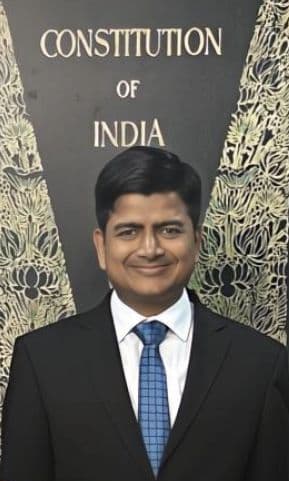
Managing Partner · Advocate, Supreme Court of India
B.Com. (First Div.) · LL.B. (CLC, DU) · LL.M. ADR (84%) · PG Diplomas in ADR & Arbitration
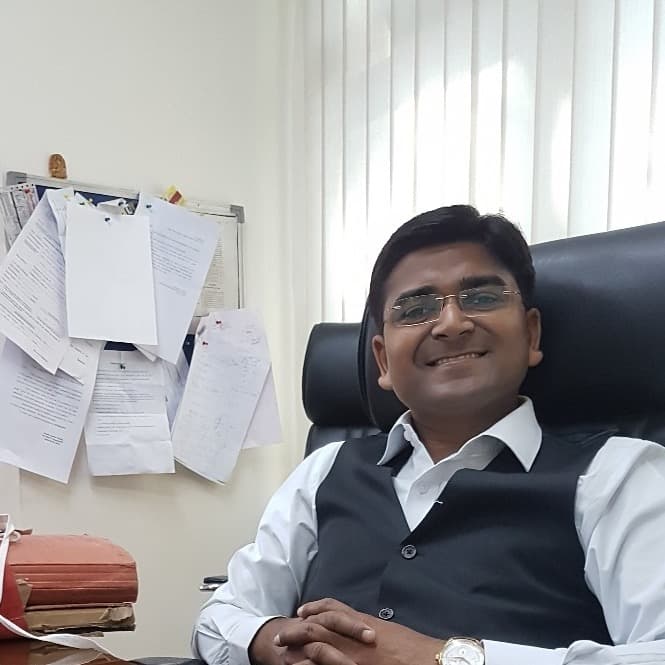
Partner · Arbitration · Property · Commercial Suits · Mediation
B.Com., LL.B., PG Diploma in ADR (ILI)
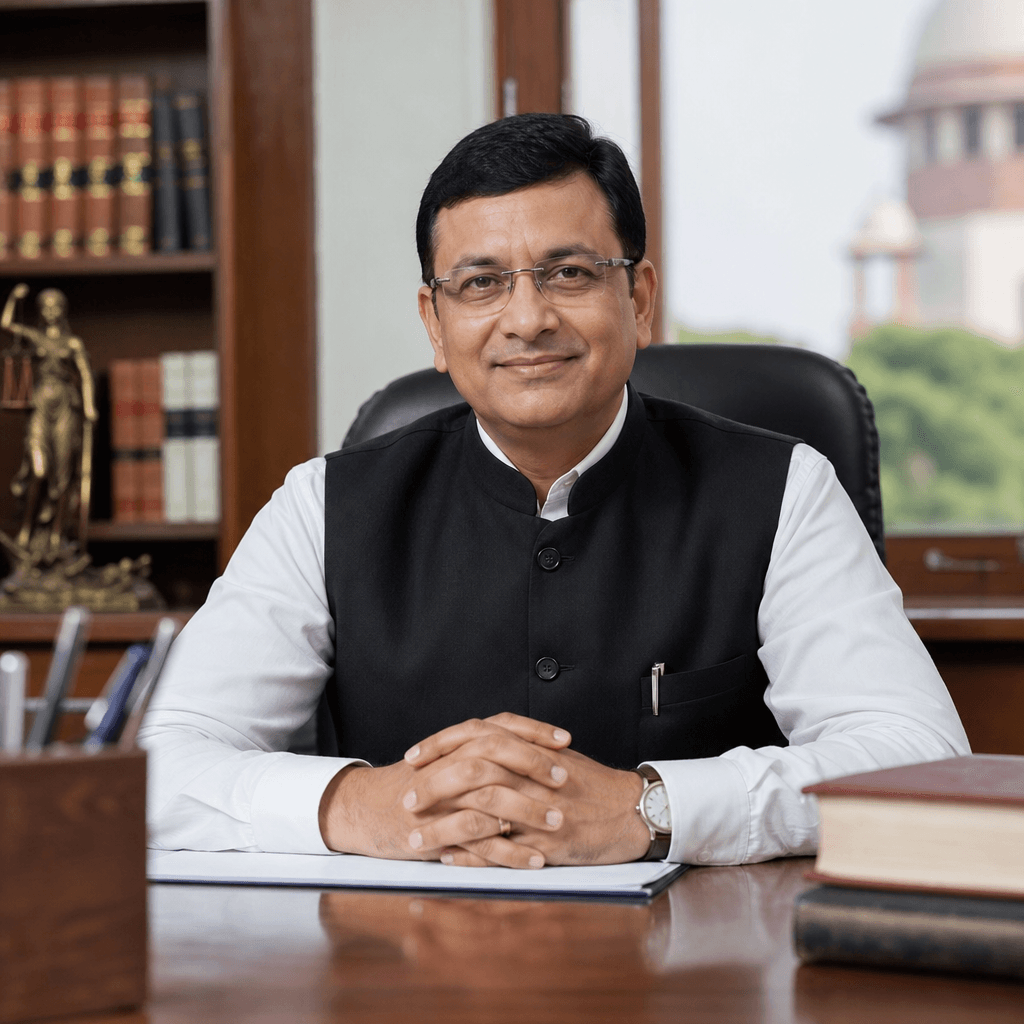
Founding Partner · Matrimonial · Commercial Recovery · NI Act · Mediation
LL.B. (2007) · LL.M. (Kurukshetra University, 2010)
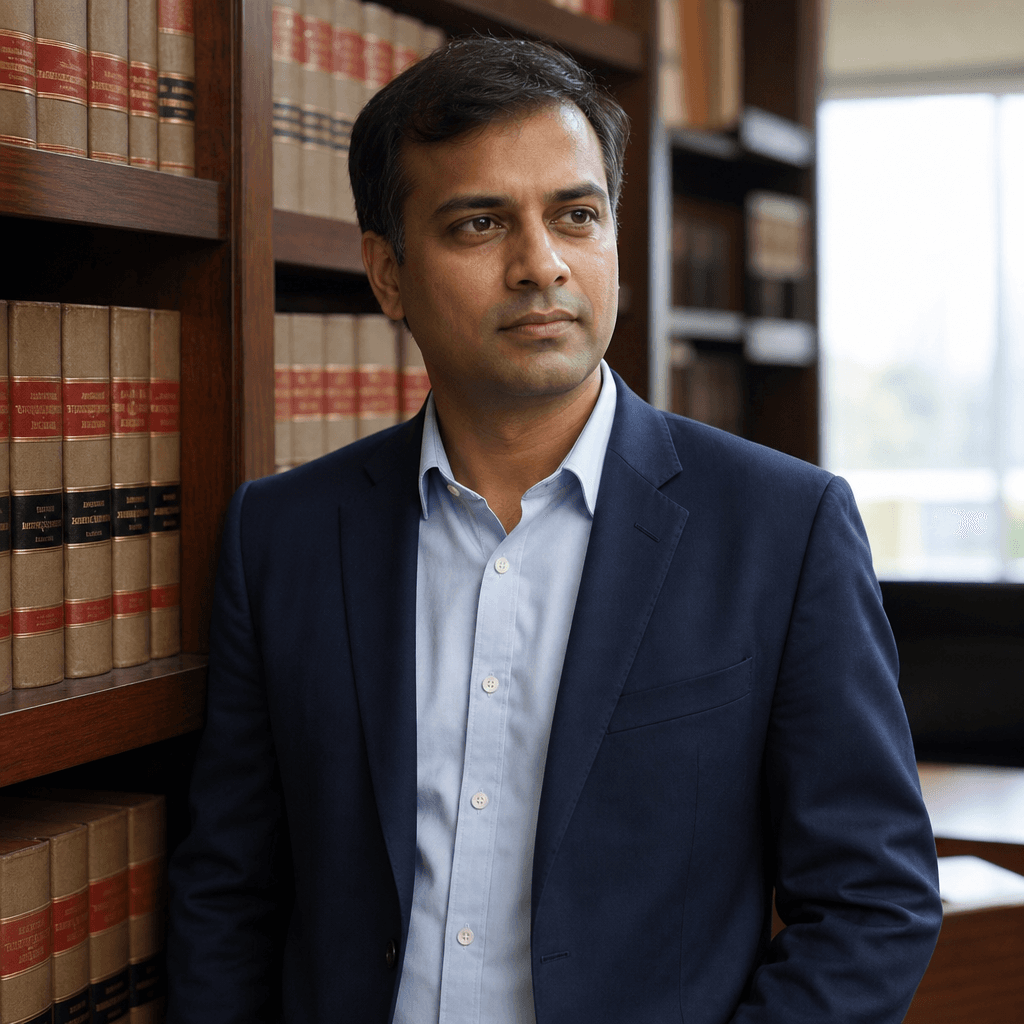
Advocate · Banking & Finance · SARFAESI · DRT / DRAT
B.Com., LL.B.
Testimonials
“The chambers gave us a written map of the arbitration — seat, interim options and the commercial end-state — before a single pleading was filed. Conferences were used to listen; the hearing was used to persuade.
“Family litigation is rarely only a statute. Counsel explained maintenance, custody and the cost of delay with equal care, and pursued mediation where dignity could still be preserved.
“Institutional work demands independence. The file was prepared as if the next tribunal might include a former judge of the Supreme Court — because in construction arbitration, it often does.
“We needed more than a Section 138 complaint. The strategy coordinated the cheque-bounce case with civil recovery so the commercial objective was not lost in a single statute.
The chambers writes
Thoughtful essays on arbitration, property, privacy and the questions that shape our legal world. Read closely. Think deeply. Explore the library.
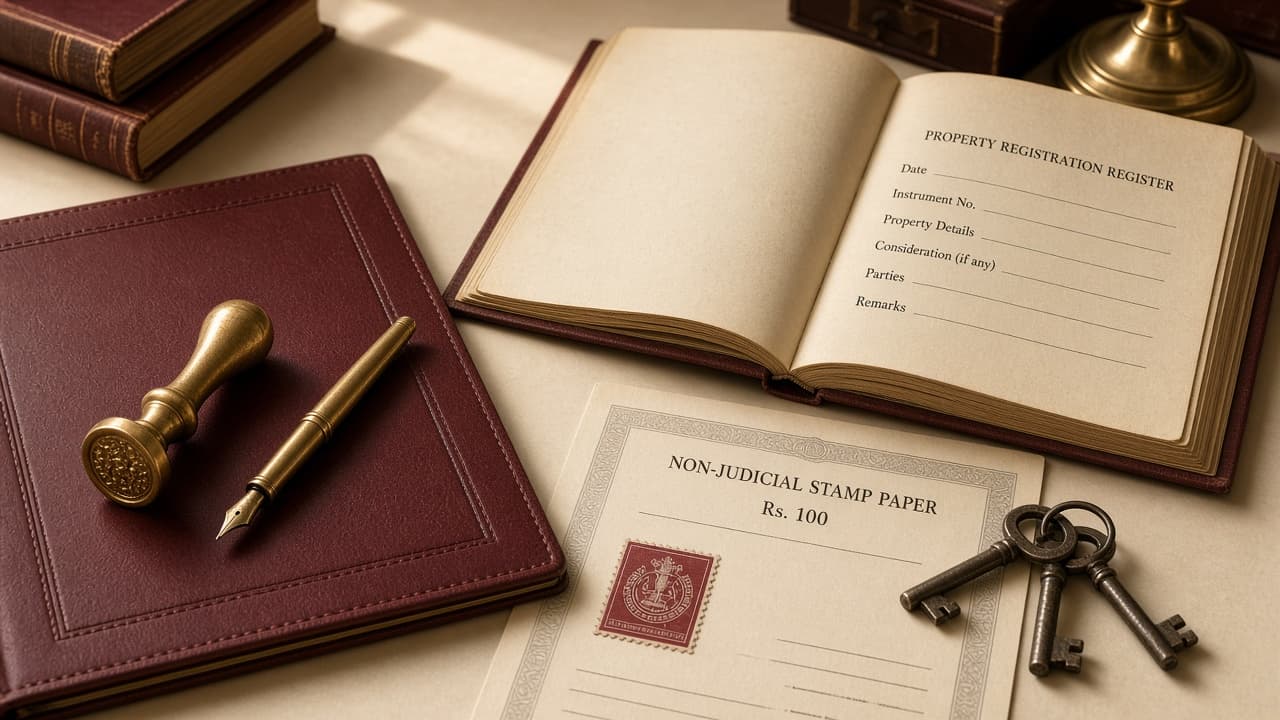
This article clarifies the position of laws relating to registration and stamp duty on documents transferring immovable properties after the Registration and Other Related Laws (Amendment) Act, 2001. It also distinguishes the equity of specific performance from the doctrine of part performance.
Read this essay→A commentary on the measure of compensation in medical negligence, written as a caution to healthcare enterprises on liability, patient safety, and the scale of awards.
Continue reading→An arbitral tribunal is designed to resolve contractual clashes with efficacy equal to a court of law. For lack of certain basic tools and techniques this alternative justice delivery vehicle can break down on its path. The article discusses such lacunae.
Continue reading→8published essays in the library — scholarship, not legal advice.
View every essayGet In Touch
Write or telephone when you wish to explore whether the chambers can assist. Please share only non-confidential particulars at first contact. An enquiry, email or form submission does not create an attorney–client relationship; engagement begins only after a conference and a clear understanding of conflict, scope and terms.
Office
D-143, LGF, Lajpat Nagar-I
New Delhi – 110024
Court Chamber
Chamber No. 469-A, Western Wing
Tis Hazari Courts, Delhi – 110054
Send an enquiry
Share only non-confidential particulars. We will reply by email or telephone.